
Readability Analyzer
Detailed Report & Highlights
Readability Analyzer Tools: The Key to Clear and Effective Writing
In the digital world, content is king—but only if readers can understand it. You may have a beautifully written blog, research paper, or product description, but if the language is too complex or unclear, readers will leave. That’s where Readability Analyzer tools step in.
These tools help writers, marketers, students, and businesses measure how easy (or difficult) their text is to read. By analyzing word choice, sentence structure, and readability scores, they ensure your content is simple, engaging, and reader-friendly.
In this article, we’ll explore what readability analyzer tools are, how they work, why they matter, and which are the best tools you can use in 2025.
What is a Readability Analyzer Tool?
A Readability Analyzer tool evaluates written content and assigns a score based on how easy it is to understand. These tools use formulas like:

- Flesch Reading Ease Score
- Flesch-Kincaid Grade Level
- Gunning Fog Index
- SMOG Index
- Coleman-Liau Index
- Automated Readability Index (ARI)
Each score reflects the education level required to comprehend the text. For example:
- A Flesch score of 90–100 means easy-to-read text suitable for a 5th grader.
- A Flesch score of 0–30 means very difficult text, best understood by university graduates.
In short, readability tools help you match your writing style with your target audience.
Why Readability Matters
Readability is not just a technical metric—it has a direct impact on user experience, SEO, and conversions.
1. Improves User Engagement
Clear content keeps readers hooked, while complex text drives them away.
2. Boosts SEO Rankings
Google favors content that is easy to read and well-structured, especially for mobile users.
3. Expands Audience Reach
Readable content appeals to non-native speakers, students, and general readers.
4. Enhances Business Communication
In business, simple and precise communication builds trust and avoids confusion.
5. Increases Conversions
Marketing studies show that clear calls-to-action and readable product descriptions lead to more sales.
Best Readability Analyzer Tools in 2025
Here’s a list of the most popular and reliable readability analysis tools:
1. Hemingway Editor
- Features: Highlights long sentences, passive voice, adverbs, and complexity.
- Best for: Bloggers, copywriters, and marketers.
- Why use it: Provides an instant readability grade level and suggestions for improvement.
2. Grammarly Readability Checker
- Features: Grammar correction, tone detection, and readability scores.
- Best for: Professionals, students, and businesses.
- Why use it: Offers AI-powered suggestions for clarity and engagement.
3. Readable.com
- Features: Advanced readability scores, keyword density check, and URL analysis.
- Best for: SEO writers and businesses.
- Why use it: Great for analyzing entire websites, not just single articles.
4. ProWritingAid
- Features: Readability analysis, grammar check, and style improvements.
- Best for: Authors and long-form writers.
- Why use it: Helps polish manuscripts and professional documents.
5. WebFX Readability Test Tool
- Features: Free readability test using multiple formulas.
- Best for: Quick checks for bloggers and students.
- Why use it: Simple, fast, and effective for small content pieces.
6. Microsoft Word Readability Statistics
- Features: Built-in readability score in Word.
- Best for: Students and professionals writing reports.
- Why use it: Easy for those already using Microsoft Office.
Key Features of Readability Analyzer Tools
When choosing the right tool, look for:
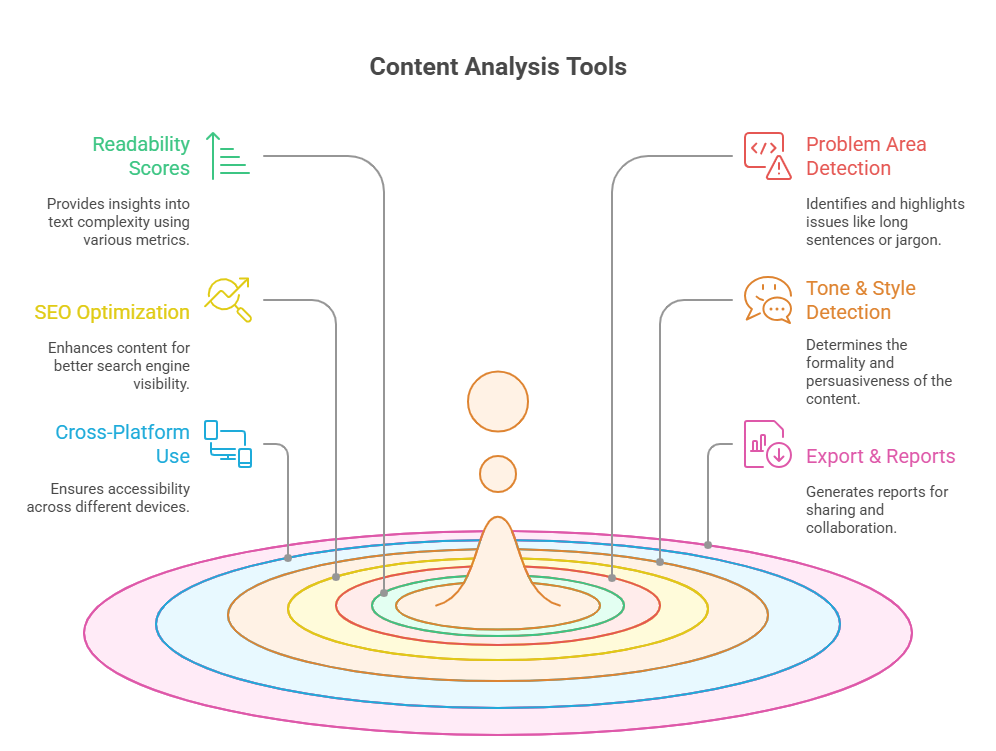
- Multiple Readability Scores – Flesch, Fog, SMOG, ARI, etc.
- Highlight Problem Areas – Long sentences, jargon, or passive voice.
- SEO Optimization – Keyword density and content structure analysis.
- Tone & Style Detection – Identifies whether content is formal, casual, or persuasive.
- Cross-Platform Use – Works on web, desktop, or mobile.
- Export & Reports – Generate reports for team sharing or client projects.
How to Use a Readability Analyzer Tool Effectively
Here’s a step-by-step guide:
Step 1: Paste Your Content
Copy your blog, essay, or business document into the tool.
Step 2: Check Readability Score
Review the score based on grade level or ease index.
Step 3: Identify Issues
Look at flagged problem areas like:
- Long sentences
- Difficult words
- Excessive jargon
- Passive voice
Step 4: Edit and Simplify
- Replace complex words with simple alternatives.
- Break long sentences into shorter ones.
- Use bullet points and headings for clarity.
Step 5: Re-check Your Score
Run the content again until you achieve the target readability level.
Who Should Use Readability Analyzer Tools?
These tools are useful across industries:
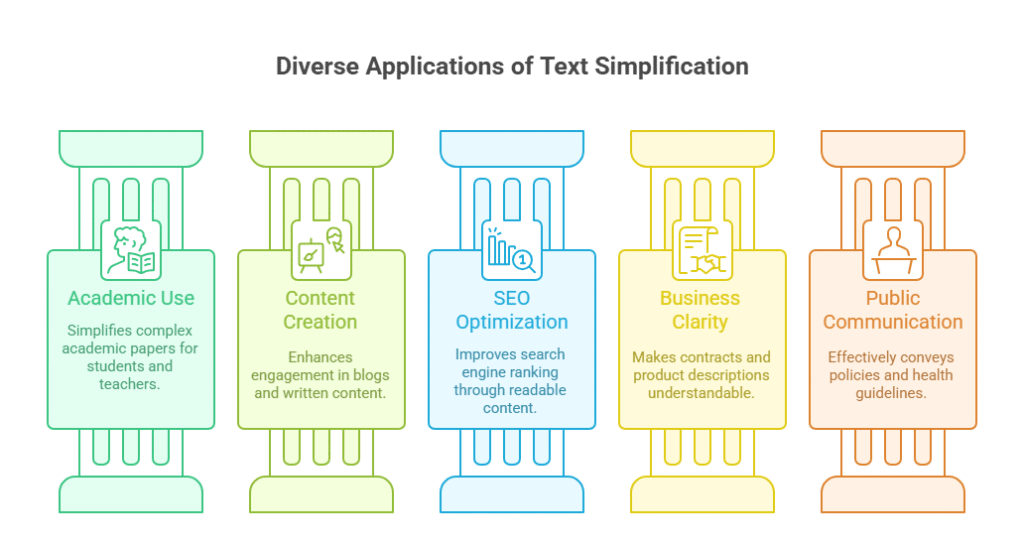
- Students & Teachers – To simplify academic papers and assignments.
- Bloggers & Writers – To make blogs more engaging.
- SEO Specialists – To improve ranking by optimizing content readability.
- Businesses – To make contracts, policies, and product descriptions clear.
- Government & NGOs – To communicate policies and health guidelines effectively.
People Also Search For (PASF) Keywords
To maximize search visibility, include these related search terms:
- Best readability analyzer online
- Free readability checker tool
- How to check readability score
- Flesch-Kincaid readability test online
- Improve content readability for SEO
- Online readability test for websites
- Free readability grade level calculator
- Readability analyzer for blog posts
- Readability checker with grammar correction
- How to write clear and simple content
Advantages of Using Readability Analyzer Tools
- Saves Time – Automated checks replace manual proofreading.
- Boosts SEO – Content becomes more search engine-friendly.
- Builds Trust – Clear writing builds credibility with readers.
- Enhances Learning – Helps non-native speakers and learners understand content better.
- Improves Conversions – Simpler content leads to better engagement and sales.
Future of Readability Tools
In 2025 and beyond, readability analyzers will become even smarter. Expect features like:
- AI-driven content suggestions – Automated rewriting for better clarity.
- Voice readability analysis – Adapting text for audiobooks and voice assistants.
- Personalized recommendations – Adapting readability based on user demographics.
- Multilingual readability checkers – Supporting global content creation.
Tips to Improve Readability Without a Tool
Even without tools, you can write more clearly by following these best practices:
- Use short sentences (15–20 words max).
- Prefer simple words instead of jargon.
- Break content into headings and subheadings.
- Use bullet points and numbered lists.
- Write in active voice.
- Include examples and visuals for clarity.
Conclusion
A Readability Analyzer tool is more than just a writing assistant—it’s a powerful way to connect with your audience, boost SEO, and improve conversions.
Whether you’re a student aiming for clear essays, a marketer writing engaging blogs, or a business drafting user-friendly policies, readability checkers help you simplify and strengthen your content.
The best part? Most of these tools—like Hemingway Editor, Grammarly, and Readable.com—offer free or affordable versions, making them accessible to everyone.
In the end, remember: complex writing confuses, but clear writing converts.
Leave a Reply