Prayer Timings Tool: Fajr, Sunrise, Dhuhr (Zawal), and Maghrib
In Islam, time management of prayers (namaz) holds a very special place. Each prayer has its specific time, and Muslims are required to perform their ibadah (worship) within those designated hours. To make this easier, especially in today’s digital age, an online prayer timing tool has become an essential resource.
This tool provides accurate timings for:
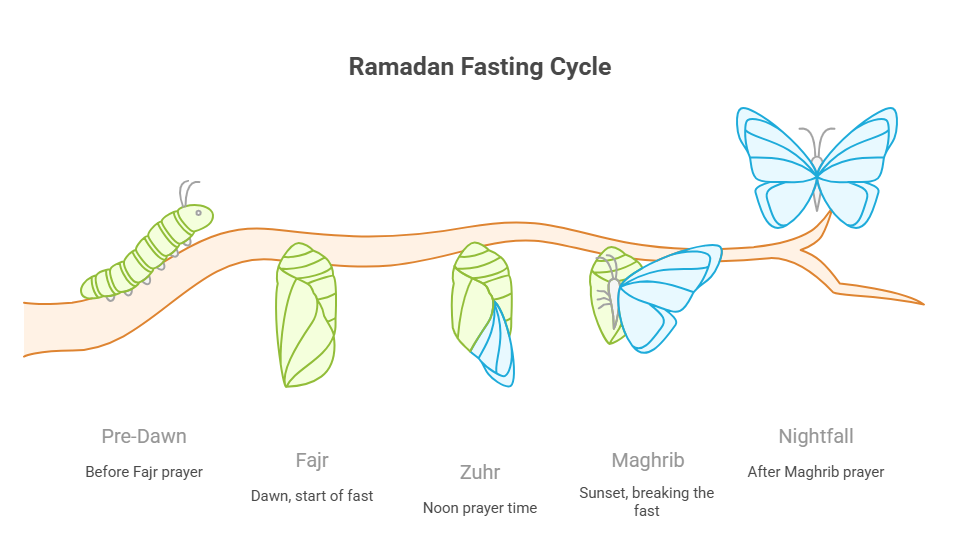
- Tulu e Fajr (Fajr ka waqt) – Dawn, the beginning of Fajr prayer and start of fast in Ramadan.
- Tulu e Aftab – Sunrise, when Fajr time ends.
- Zawal e Aftab – Noon time, when Zuhr prayer begins.
- Ghuroob e Aftab – Sunset, when Maghrib prayer starts and the fast is broken.
Let’s explore each of these timings in detail and see how this online tool helps Muslims worldwide.
1. Fajr Time (Tulu e Fajr)
Fajr marks the very first light of dawn when darkness begins to fade. This is one of the most important times in Islam because:
- Prayer (Namaz e Fajr): Muslims are required to perform the two-rakat obligatory Fajr prayer within this time.
- Fasting (Roza): In Ramadan, suhoor (sehri) must be completed before Tulu e Fajr.
Example in Roman Urdu:
“Fajr ka waqt subha ke andheray mein nikalta hai jab pehli roshni dikhai deti hai.”
With the online prayer timings tool, you can easily check the exact Fajr starting time for your city.
2. Sunrise (Tulu e Aftab)
Sunrise occurs when the sun rises above the horizon. At this point:
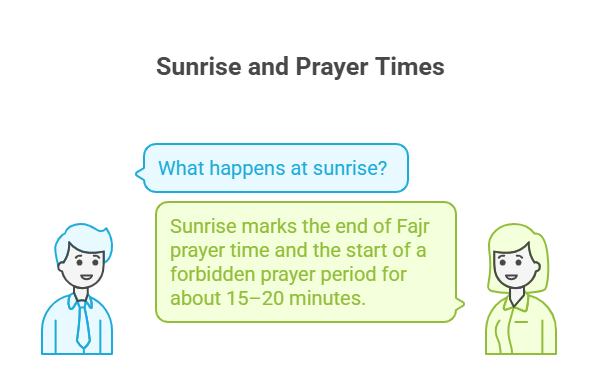
- End of Fajr: The time for Fajr prayer finishes.
- Start of forbidden time: From sunrise until about 15–20 minutes later, it is forbidden (makrooh) to offer prayer.
Roman Urdu Touch:
“Agar Fajr ki namaz sunrise se pehle nahi parhi gayi to woh qaza ho jati hai.”
The tool ensures you never miss this important deadline.
3. Zawal Time (Zawal e Aftab)
Zawal refers to the moment when the sun is at its peak (midday). Once the sun crosses this point:

- Zuhr Time Begins: The dhuhr (Zuhr) prayer can now be offered.
- Ishraq/Chasht Ends: Any nafl prayer for Ishraq should be completed before Zawal.
Roman Urdu Example:
“Zawal ke baad Zuhr ki namaz ka waqt shuru hota hai.”
By using the online tool, you can know the exact Zawal timing for your city without confusion.
4. Sunset (Ghuroob e Aftab)
Sunset, or Maghrib time, is one of the most eagerly awaited moments, especially in Ramadan.
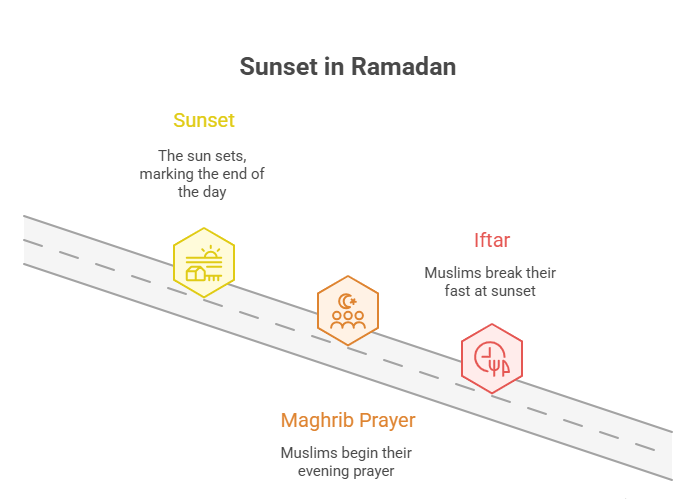
- Maghrib Prayer: It marks the beginning of the Maghrib prayer time.
- Iftar: Fasting Muslims break their fast exactly at Ghuroob e Aftab.
Roman Urdu Touch:
“Ramzan mein Maghrib ke waqt azaan ke sath hi roza kholna sunnat hai.”
This makes the tool highly valuable for Muslims worldwide.
5. Key Features of the Online Tool
The Fajr, Sunrise, Zawal, and Maghrib Timings Tool comes with powerful features:
- Accuracy (Durusti): Based on precise astronomical data.
- Location-based timings: Enter your city to get exact timings.
- Daily updates: Times are refreshed every day.
- Simple interface: Easy to use even for beginners.
- Supports ibadah: Helps with both prayers and fasting.
6. Importance for Muslims
Why should every Muslim use such a tool?
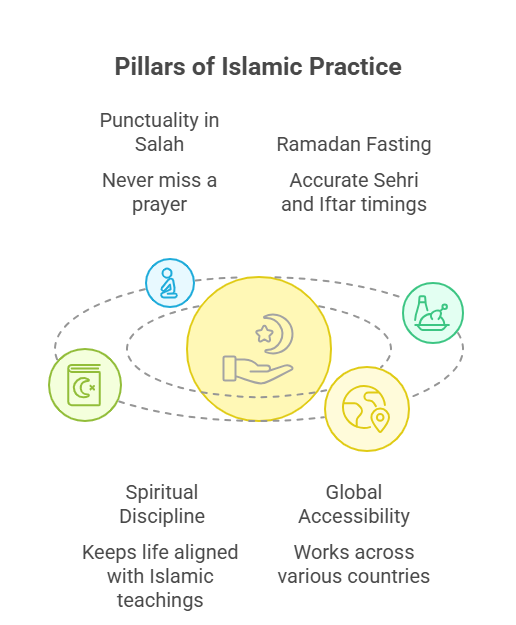
- Punctuality in Salah (Namaz ki pabandi): Never miss a prayer.
- Ramadan fasting: Accurate Sehri and Iftar timings.
- Spiritual discipline: Keeps life aligned with Islamic teachings.
- Global accessibility: Works whether you’re in Pakistan, India, UAE, UK, or USA.
Roman Urdu Note:
“Ye tool har mulk aur sheher ke hisaab se waqt batata hai, is liye Musalman kahan bhi hoon unhein asani hoti hai.”
7. Future Enhancements
This tool can be further improved with:
- Azan notifications and alarms.
- Monthly or yearly prayer timetable downloads.
- Offline access via mobile apps.
Conclusion
Islam emphasizes discipline of time. From dawn (Fajr) till sunset (Maghrib), Muslims are reminded daily of the importance of punctuality and devotion. The Tulu e Fajr, Tulu e Aftab, Zawal e Aftab, and Ghuroob e Aftab Timings Tool makes it simple to stay connected with prayer times in a fast-paced digital world.
Roman Urdu Ending Line:
“Namaz waqt par ada karna har Musalman ki zimmedari hai, aur ye tool humein is zimmedari ko nibhanay mein madad deta hai.”