
Competitor Analysis Tool (Free)
Overview
| URL | – |
|---|---|
| Title | – |
| Meta Description | – |
| Canonical | – |
| HTTPS | – |
| IP / Host | – |
| Response Size | – |
| Fetch Time | – |
| HTTP Status | – |
SEO Snapshot
| H1 | – |
|---|---|
| H2 Count | – |
| Images (total) | – |
| Images missing ALT | – |
| Internal Links | – |
| External Links | – |
| Meta Robots | – |
Tech & Headers
| Server | – |
|---|---|
| Content-Type | – |
| Content-Encoding | – |
| Cache-Control | – |
| Sitemap | – |
| Robots.txt | – |
Accessibility & Mobile
| Viewport Tag | – |
|---|---|
| Language | – |
| Mobile Friendly | – |
Raw Headers & Snippets
Quick Suggestions
Competitor Analysis Tool: The Key to Beating Your Business Rivals
In today’s digital marketplace, competition is fiercer than ever. Whether you run a small startup or a large enterprise, keeping an eye on your competitors is critical. That’s where a Competitor Analysis Tool comes in.
These tools help you uncover competitor strategies, traffic sources, keywords, backlinks, social media presence, and even ad campaigns. By understanding what your rivals are doing, you can create better strategies to stay ahead.
This guide explains what competitor analysis tools are, why they matter, their key features, and the best tools you can use to gain a competitive edge.
What is a Competitor Analysis Tool?
A competitor analysis tool is software that collects and analyzes data about your competitors’ digital performance. These insights can include:
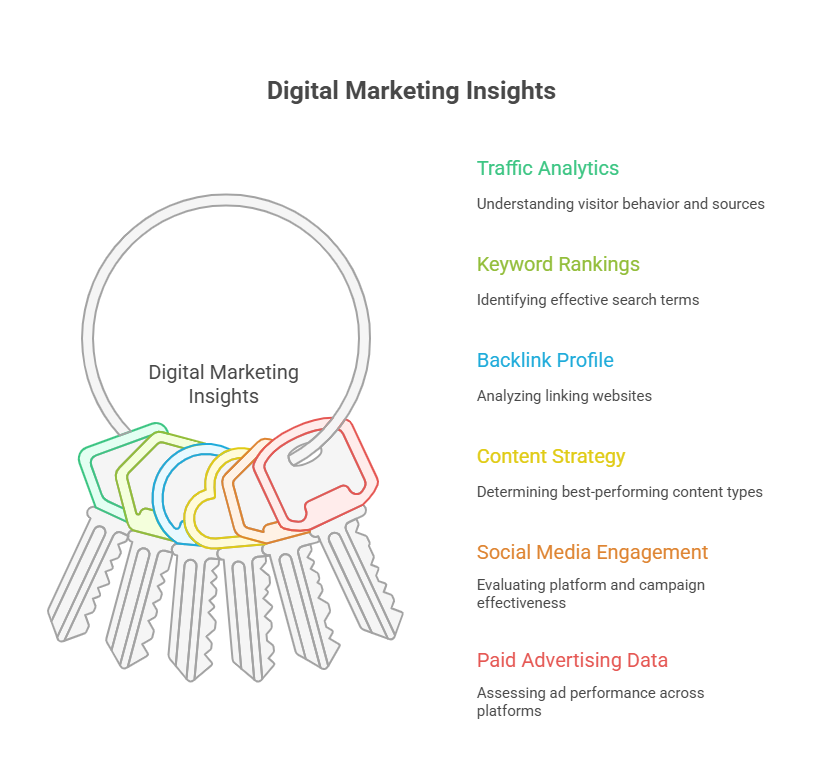
- Traffic analytics – Where their visitors come from and how they behave
- Keyword rankings – Which search terms drive traffic to their site
- Backlink profile – Which websites are linking to them
- Content strategy – What type of content performs best
- Social media engagement – Their most effective platforms and campaigns
- Paid advertising data – Their Google Ads, Facebook Ads, or display ads
In short, these tools give you a behind-the-scenes look at what’s working for your rivals—so you can replicate, improve, and outperform.
Why Competitor Analysis Matters
Competitor research isn’t about copying. It’s about learning from others’ successes and mistakes. Here’s why it’s crucial:
- Discover Opportunities – Find untapped keywords, audience segments, and markets.
- Improve SEO Strategy – Identify keywords and backlinks your competitors rank for.
- Strengthen Marketing Campaigns – See what ad creatives or landing pages convert best.
- Benchmark Performance – Compare your website traffic, domain authority, and visibility.
- Stay Ahead of Trends – Spot shifts in customer behavior before they become mainstream.
Best Competitor Analysis Tools in 2025
Here are some of the most effective competitor research tools available:
1. SEMrush
- Features: Keyword gap analysis, backlink monitoring, PPC insights, competitor traffic data
- Best for: All-in-one digital marketing competitor research
- Why use it: SEMrush gives a full view of SEO, content, and advertising strategies.
2. Ahrefs
- Features: Backlink analysis, keyword tracking, content explorer, domain comparison
- Best for: SEO and content competitor research
- Why use it: Known for its backlink database, Ahrefs is great for uncovering link-building opportunities.
3. SimilarWeb
- Features: Traffic sources, user engagement, audience interests, industry benchmarking
- Best for: Market research and traffic comparison
- Why use it: Helps you see how much traffic competitors get and where it comes from.
4. SpyFu
- Features: Competitor keyword research, ad campaign tracking, SERP history
- Best for: PPC and SEO competitor analysis
- Why use it: Reveals the exact keywords your competitors are buying in Google Ads.
5. BuzzSumo
- Features: Content analysis, influencer identification, social media performance
- Best for: Content marketing competitor research
- Why use it: Great for finding which content formats and topics perform best in your niche.
6. Moz Pro
- Features: Domain authority, keyword research, on-page SEO audits, competitor tracking
- Best for: SEO benchmarking
- Why use it: Provides simple, actionable competitor SEO insights.
7. Google Ads Transparency Center
- Features: View competitor ad campaigns
- Best for: Advertising research
- Why use it: A free way to see the ads your competitors are currently running.
Key Features to Look for in a Competitor Analysis Tool
When choosing the right tool, focus on these essential features:

- Keyword Analysis – Uncover organic and paid keywords competitors rank for.
- Backlink Data – See which websites are boosting your rivals’ authority.
- Traffic Analytics – Compare estimated visitors, bounce rates, and engagement.
- Ad Insights – Discover their Google Ads and social ad strategies.
- Content Research – Identify top-performing blogs, videos, or landing pages.
- Market Trends – Track industry growth and shifts.
- Reporting Tools – Export data for presentations and strategy planning.
How to Use Competitor Analysis Tools Effectively
Here’s a step-by-step framework for making the most of competitor research:
Step 1: Identify Competitors
- Direct competitors (sell the same products/services)
- Indirect competitors (target the same audience with different solutions)
Step 2: Analyze SEO Strategy
- Check what keywords they rank for
- Study their backlink sources
- Compare their domain authority vs. yours
Step 3: Study Content Performance
- Which blogs, videos, or guides get the most shares
- How they structure content (headlines, CTAs, visuals)
- Their publishing frequency and style
Step 4: Review Paid Ads
- Identify ad creatives, budgets, and keywords used
- Check landing page design and copy
- Benchmark conversion-focused ads
Step 5: Track Social Media
- Engagement rates, hashtags, and posting frequency
- Influencer collaborations and campaigns
- Which platforms give them the most traction
Step 6: Apply Insights to Your Business
- Target keywords they missed
- Improve on content they published
- Build relationships with their backlink partners
- Create more engaging ads and campaigns
People Also Search For (PASF) Keywords
To boost SEO visibility, here are related search queries people use:
- Best competitor analysis tool for SEO
- Competitor keyword research tool
- Competitor backlink checker
- Free competitor analysis software
- Competitor website traffic checker
- Competitor PPC analysis tool
- Competitor benchmarking tool
- Online business competitor research tool
- Social media competitor analysis software
- Competitor market research tools
These phrases should be naturally included in your content to cover broader search intent.
Advantages of Using Competitor Analysis Tools
- Data-driven decisions – No more guessing; strategies are backed by insights.
- Improved SEO ranking – Find and target high-value keywords.
- Better ROI on ads – Learn from competitors’ ad spend and optimize campaigns.
- Content strategy boost – Replicate successful content formats.
- Market positioning – Understand where you stand compared to rivals.
Future Trends in Competitor Analysis Tools
Looking ahead, competitor research tools will become smarter with AI and automation. Expect:
- AI-driven competitor insights – Automated suggestions on beating rivals
- Predictive analytics – Forecasting future competitor moves
- Deeper social listening – Tracking sentiment across platforms
- Voice & visual competitor tracking – Analyzing YouTube, TikTok, and podcasts
- All-in-one dashboards – Centralized competitor data for SEO, ads, and content
Conclusion
A Competitor Analysis Tool is no longer optional—it’s a necessity for businesses that want to thrive online. From tracking keywords and backlinks to analyzing ads and content strategies, these tools uncover valuable insights that give you the power to outperform your rivals.
Whether you choose SEMrush for all-in-one marketing, Ahrefs for SEO, or SimilarWeb for traffic research, the key is to use competitor insights to improve your own strategy—not just copy what others are doing.
In today’s competitive landscape, the businesses that win are the ones that listen, analyze, and act smarter than their rivals.
Leave a Reply